A port of maritime history
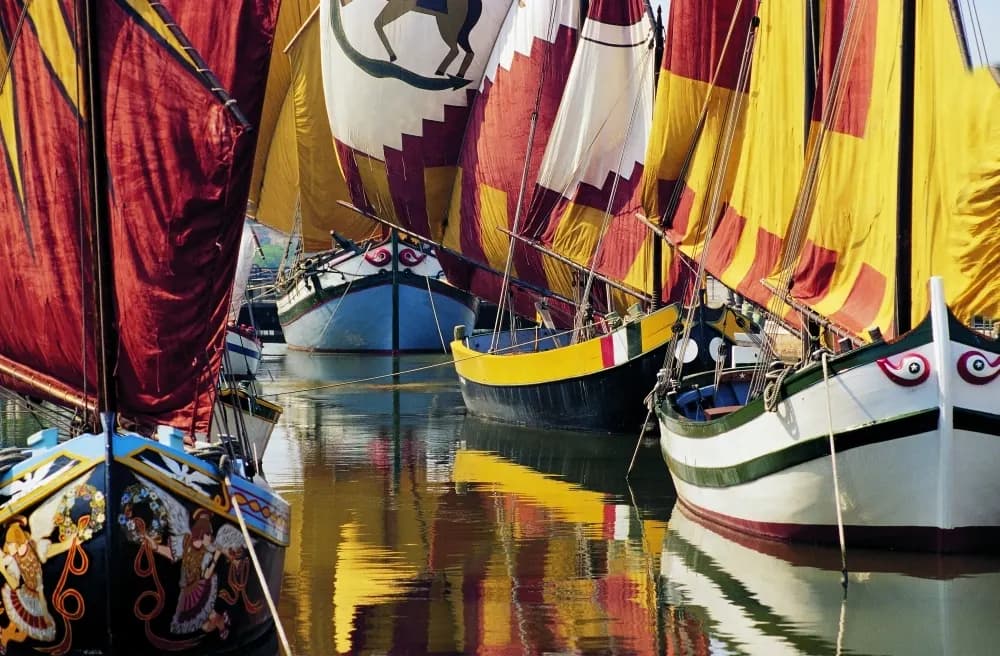
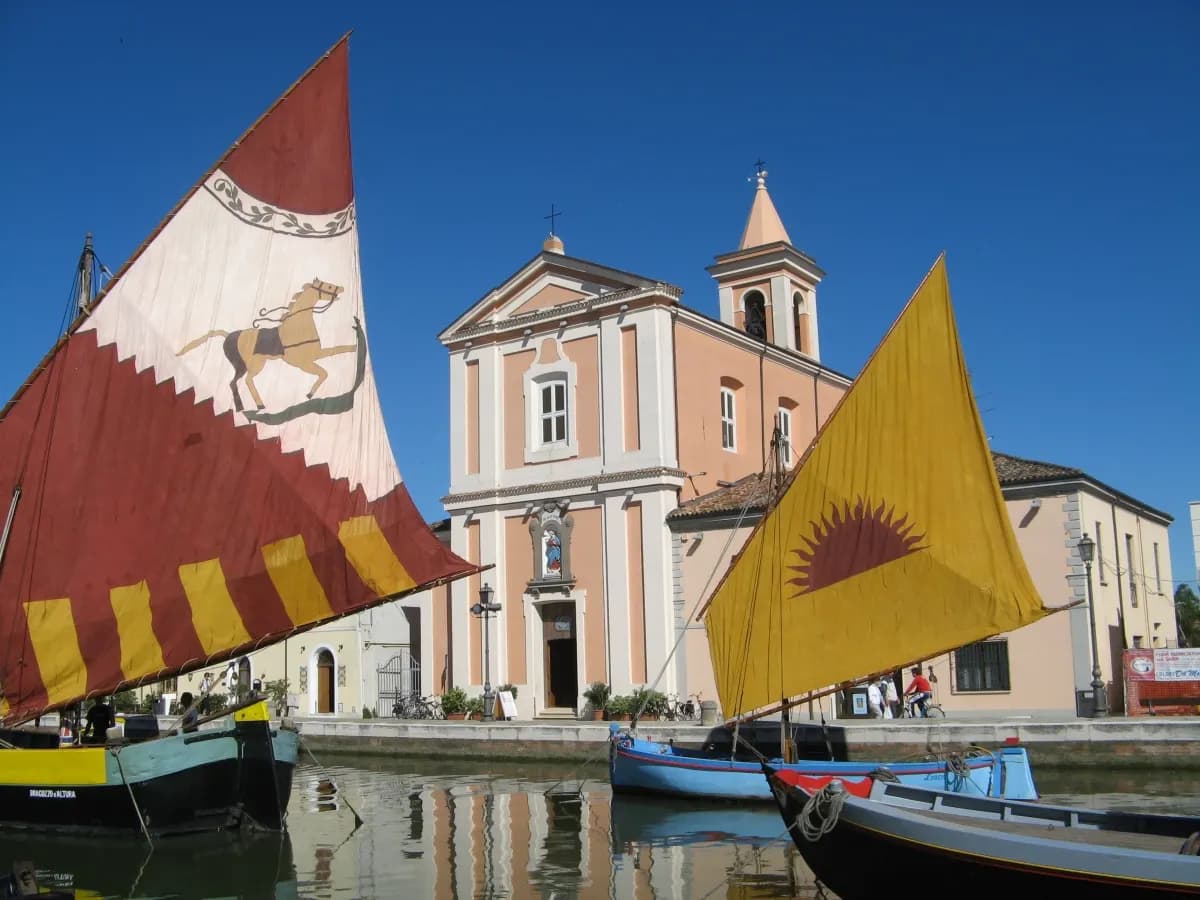
A true "open-air museum" on the Romagna Riviera, Cesenatico’s Canal Port was designed by Leonardo da Vinci, who inspected it and produced two drawings in 1502.
European Association for Aquatic Mammals
Waves ofknowledge.
Everything you need to plan your trip to the EAAM Annual Symposium — venue, dates and the practical details, kept up to date here as the event approaches.
Waves of Knowledge: Global Perspectives and Collaboration for Aquatic Animal Science and Conservation
Sharing science to build a bridge to action for protection of aquatic animals globally.
Two venues
Museo della Marineria
Cesenatico
All scientific sessions, workshops and poster presentations, in the historic canal port designed by Leonardo da Vinci.
Oltremare 2.0
Riccione
The park visit and the festive Gala Dinner, roughly 30 minutes down the coast from Cesenatico.
Partner with the EAAM Annual Symposium and put your organisation in front of Europe’s aquatic mammal science, welfare and conservation community. Download the brochure for packages, visibility and benefits.
Download sponsor brochureShare your research with the aquatic mammal community. We invite oral, video, poster and roundtable submissions across welfare, training, veterinary medicine, conservation, research and education.
View call for abstractsCesenatico is not only one of the principal towns of the Romagna Riviera, but a true “open-air museum” with roots dating back to the Middle Ages. The beating heart of the town is its Canal Port, designed by Leonardo da Vinci, who inspected it in 1502 after being commissioned by Cesare Borgia to improve its efficiency and defense. The town continues to preserve its maritime identity through the Museo della Marineria, located in the historic port where the Symposium will take place.
A true "open-air museum" on the Romagna Riviera, Cesenatico’s Canal Port was designed by Leonardo da Vinci, who inspected it and produced two drawings in 1502.
.webp&w=3840&q=75)
Europe’s first dolphinarium, founded in Cesenatico. It was here that Italy’s first expertise in marine mammal biology and management took shape.
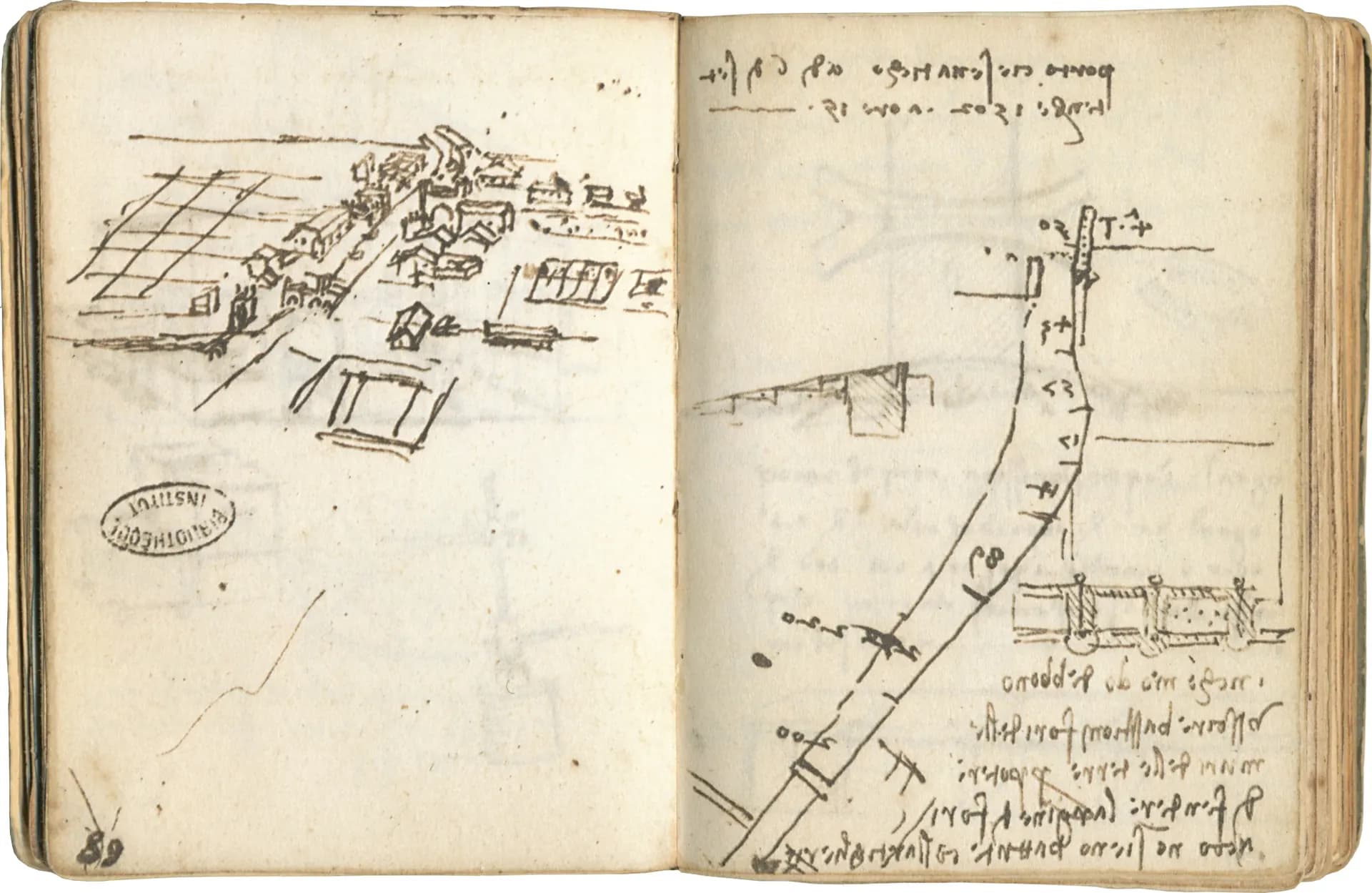
Two pages of the Codex L record his survey of Cesenatico and its canal port — the earliest drawings of the harbour the symposium now gathers around.
Cesenatico also occupies an important place in the history of aquatic animal care in Italy. The Cesenatico Aquarium opened in 1959, establishing an early centre for the public presentation and study of dolphins. Its development formed part of a broader history of dolphin facilities along the Romagna Riviera, including the dolphinariums of Riccione, Rimini and Cattolica.
This history continued to evolve through the establishment of NARVALO S.r.l., which brought together the Riccione and Cattolica facilities in the early 1990s. Under the direction and vision of Leandro Stanzani, this experience subsequently developed into Oltremare, which opened in Riccione in 2004.
Today, Oltremare represents the continuation of this long-standing tradition, combining animal care, education, scientific knowledge and conservation. The connection with EAAM is equally longstanding: Oltremare has hosted an EAAM Annual Symposium, while two previous editions were held at the Riccione Dolphinarium.
.webp&w=3840&q=75)
A few milestones from the history of aquatic animal facilities along the Romagna Riviera
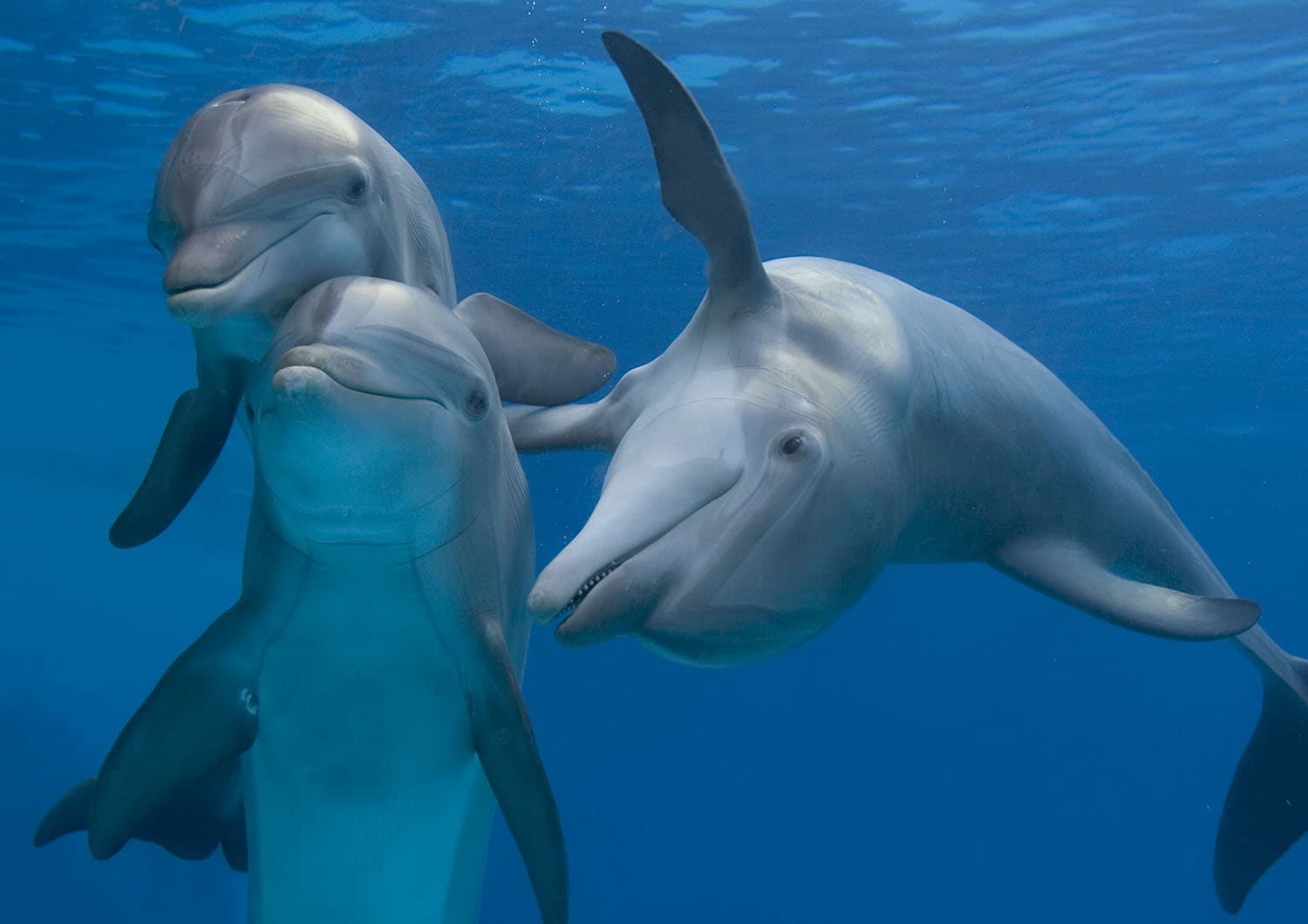
The “Delfini Metropolitani Adriatico” (DMA) project is a strategic initiative dedicated to researching and protecting marine biodiversity in the North-Western Adriatic Sea. Born from a collaboration between regional aquariums, the Genoa Aquarium Foundation, and the PROMED research group, this long-term project uses bottlenose dolphins as bioindicators of marine ecosystem health. Every spring and summer, researchers conduct sea surveys to study the local dolphin population off the Romagna coast. They use photo-identification of dorsal fins alongside bioacoustics recordings to estimate population size, track social dynamics, and analyze movement patterns. By integrating this data into the international PROMED network, the project helps assess the impact of climate change on Mediterranean cetaceans while raising public awareness about coastal conservation.
Only bottlenose dolphins have been identified within the DMA project itself. Other marine mammals historically present in these waters:
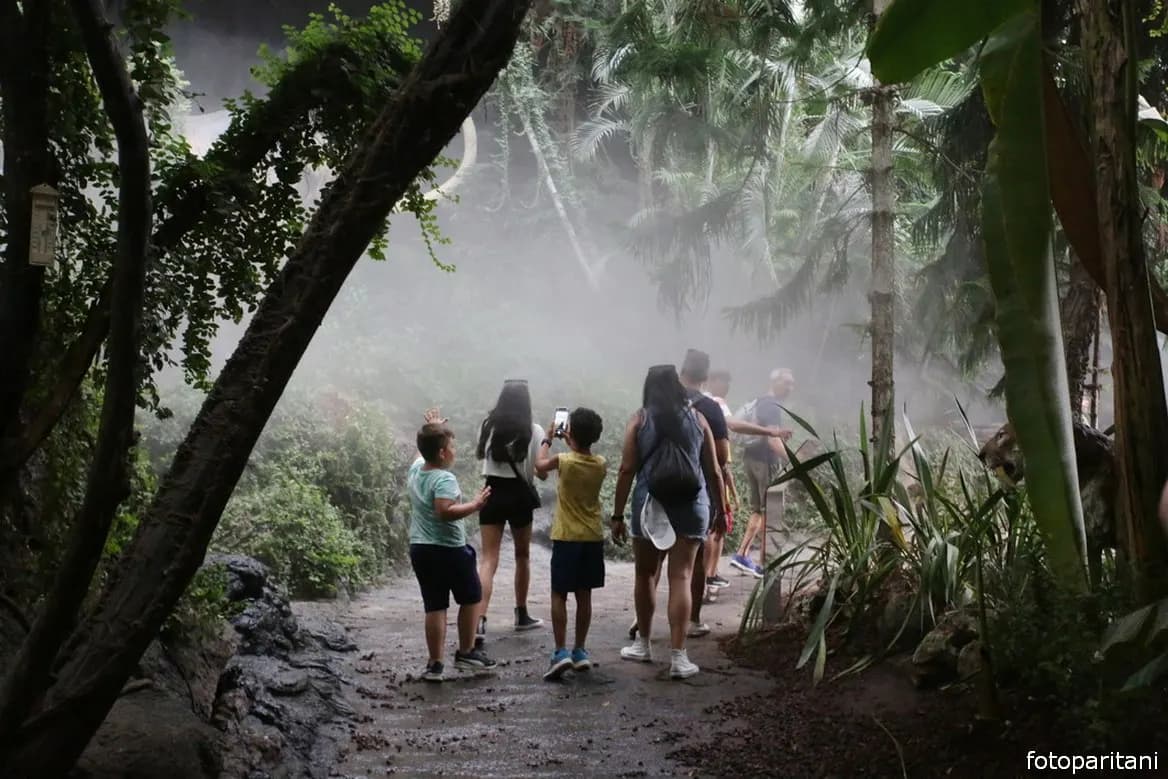
On the Romagna Riviera, a region famous above all for its food and welcoming spirit, there is a place where the curiosity of adults and children finally finds the answers it deserves. Oltremare 2.0 in Riccione is not just any park: it is a Family Edutainment Park, a space where every step becomes a discovery, every encounter leaves an impression, and fun stops being an end in itself to transform into something greater. An authentic journey across land, water, and sky, where nature and technology blend into an experience designed to excite, amaze, and inspire reflection for young and old alike.
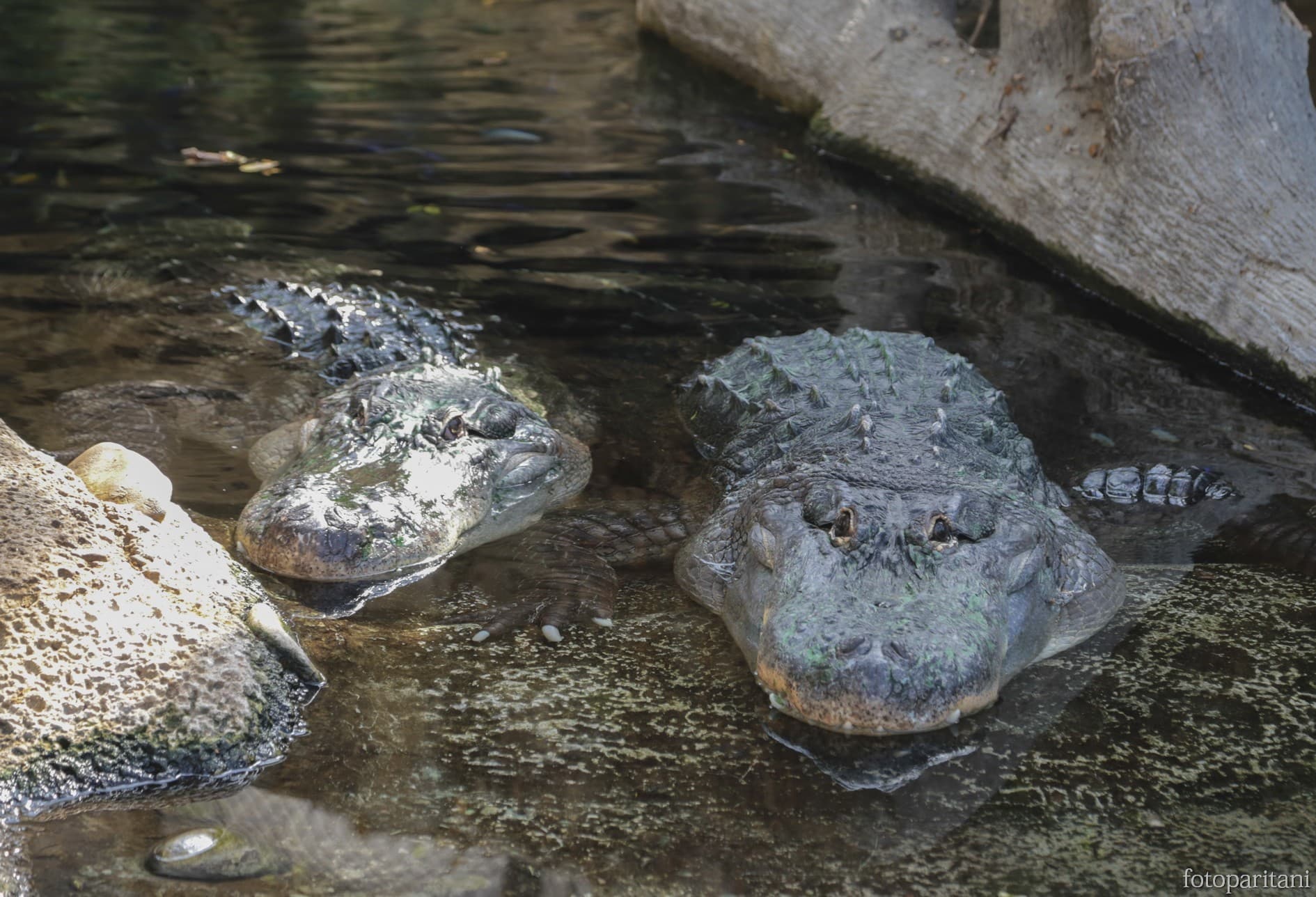
Three words that capture the essence of Oltremare 2.0. A centre of excellence for animal knowledge and scientific research, the park does not merely showcase nature: it defends, studies, and celebrates it. Every path and every experience is designed to build a genuine bond between people and the planet we inhabit. Learning is our mission; discovery is our goal. Here, emotions are experienced with all the senses, and every encounter leaves a lasting mark on the mind and heart. Stories told by the water, whispered in the sky, and carved into the earth, to be learned also by attending animal demonstrations that combine naturalistic rigour, research projects, and pure emotion.
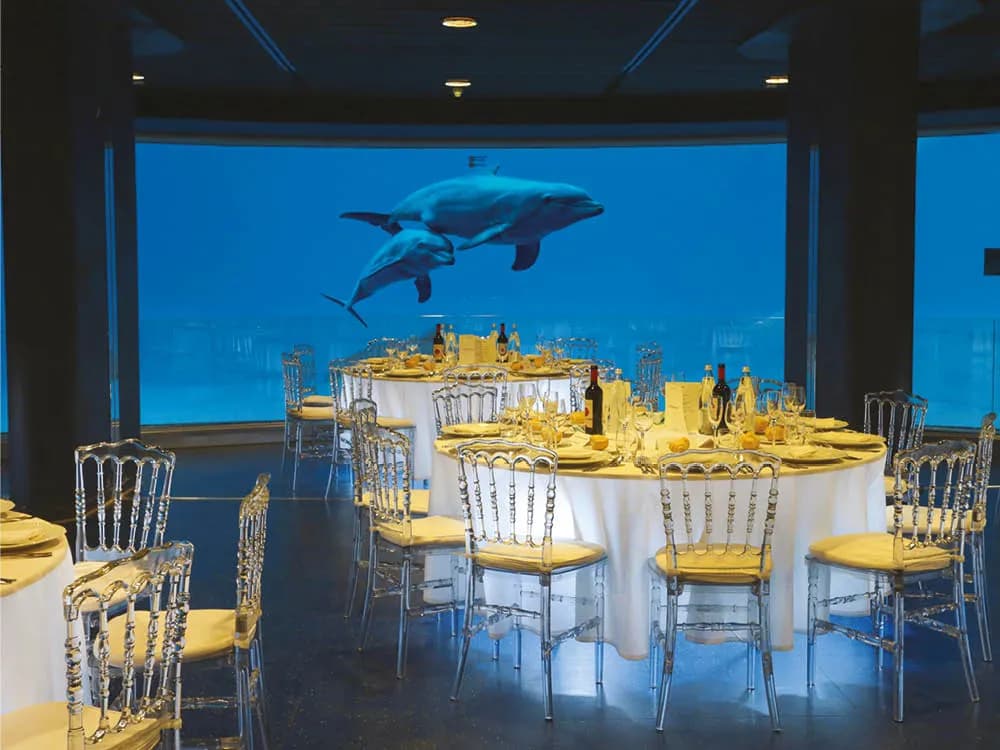
Oltremare 2.0 in numbers
Delegates make their own way from the airport to the venue; choose your arrival airport below to see the best connections to Cesenatico. Getting between the venues is taken care of by the symposium.
Most convenient airport for the Romagna coast.
Shuttle Italy Airport runs year-round; stops in Cesena (1 h 15) or Cesenatico.
Timetable & booking ↗Monorail to Bologna Centrale (7 min), then a coach to the Romagna coast.
Timetable & booking ↗Monorail to Bologna Centrale (7 min), then a regional train to Cesenatico, or Frecciarossa / Intercity to Cesena or Rimini and a local train.
Timetable & booking ↗From Cesenatico station to the Museo della Marineria
A flat 10–15 minute walk (about 1 km) east towards the canal harbour, on Via Armellini. Taxis wait outside the station.
Getting between venues
Cesenatico and Riccione sit about 30 minutes apart along the coast. Transportation between the venues (Cesenatico and Oltremare) is organised by the symposium.
Rates below are negotiated directly with each property for symposium delegates. All hotels are within walking distance of the Museo della Marineria — contact them directly to book, mentioning the EAAM symposium.
V. Carducci, 7, Cesenatico
Breakfast included · City tax €4.00/person/night
1.2 km from the Museo della Marineria
30 rooms available, between double and double-for-single-use
Visit website ↗V. Carducci, 40, Cesenatico
Breakfast included · City tax €2.00/person/night
1.3 km from the Museo della Marineria
Visit website ↗V.le Carducci, 2, Cesenatico
Breakfast included · City tax €2.70/person/night
1.2 km from the Museo della Marineria
Visit website ↗Via Giovanni da Verrazzano, 23, Cesenatico
Rimini offers more in the evening, and it’s a short bus or train ride from Cesenatico.
Via Dardanelli 102, Rimini
Breakfast included · City tax €2.00/person/night
13 min walk or 9 min on bus n° 11 from Rimini Railway
Visit website ↗Program and fees will be published here as they’re finalised. Questions in the meantime?